
A Pan-African firm with a welcome at its heart
Teranga is a Wolof word from Senegal, loosely translated as hospitality, but it runs deeper: mutual respect, human dignity, generosity and shared purpose. It is a way of engaging with others as partners, not subjects. That is the spirit in which we advise: anchored in trust, built for the long term.
Our mark is drawn from the Oshiwambo woven basket, a craft built strand by strand with patience and precision. No single strand holds the structure alone; it is the interlocking of many that makes something strong enough to last. Resilient institutions are the same: not built in a single intervention, but through many coordinated strands of policy, law, capacity and trust. From our base in Windhoek, Namibia, we weave them with governments, multilateral institutions, regional bodies, civil society, academia and the private sector.
Dignity
Human rights are about people. Our advice keeps them at the centre.
Partnership
Mutual respect and shared purpose: we work alongside your people, not over them.
Craftsmanship
Like the basket, strong institutions are woven patiently, strand by strand.
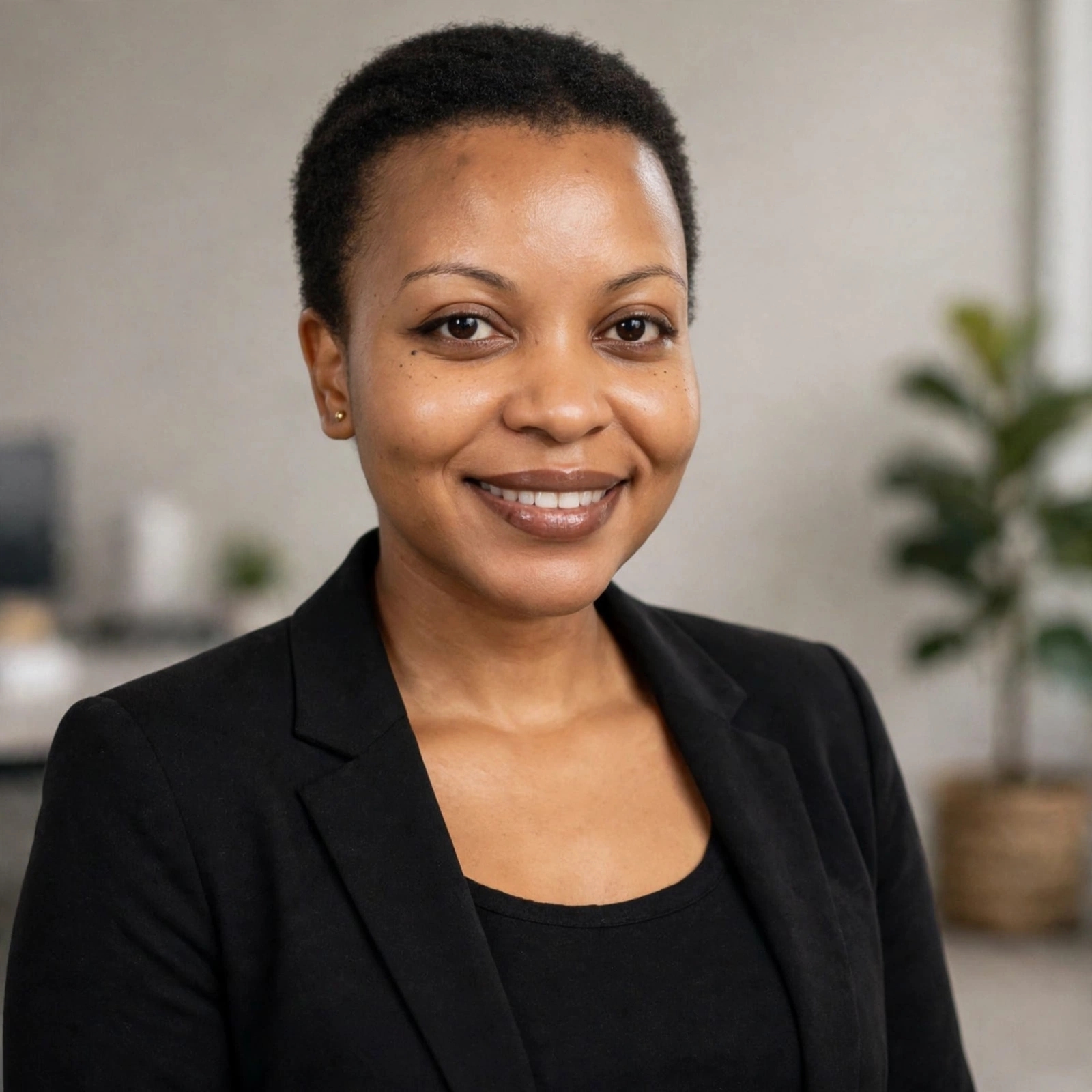
Markus P.M. Angula
Founder and Executive DirectorMarkus P.M. Angula is a Namibian international human rights lawyer, policy adviser and institutional strategist with over 12 years of experience across public governance, the United Nations system and justice institutions in Southern and West Africa. As Founder and Executive Director of Teranga Advisory, he partners with governments, multilateral institutions and civil society to strengthen democratic governance, human rights compliance and the rule of law, guided by the Teranga philosophy of trust, dignity and enduring partnership.
A certified legal drafter, Markus steers the strategic vision of the firm, partnering with African governments, multilateral institutions, regional bodies, civil society and the private sector to fortify rule of law institutions.
Before founding Teranga Advisory, he served extensively within the United Nations system, leading policy reform, human rights monitoring and access-to-justice portfolios. In West Africa he advised state institutions and national commissions during major democratic transitions, steered peacebuilding initiatives supported by the UN Peacebuilding Fund, and contributed to national frameworks on Youth, Peace and Security and Women, Peace and Security. He designed and operationalised the Child Rights Monitoring Mechanism at the National Human Rights Commission of The Gambia, turning treaty obligations into working statutory machinery.
Earlier, as Legal Officer and Lead Counsel at Namibia's Ministry of Justice, he represented the State in high-level criminal proceedings, prosecuting complex cases involving cybercrime and violence against vulnerable people, and advised law enforcement on human-rights-compliant investigative protocols.
Markus works at the intersection of human rights, digital governance, cyber law and AI accountability. He has contributed to primary national legislation, including child justice and cybercrime frameworks, and advised on cross-border digital forensics, mutual legal assistance and platform accountability.
- LLM in Public Law, University of Cape Town
- MA in International Law and Diplomacy, University for Peace (UN-mandated)
- Certified Legal Drafter, University of Cape Town
- Member, Association of Defence Counsel practising before the International Courts and Tribunals (ADC-ICT)
- Board of Directors, Development Workshop Namibia

One foundation, many partners
Our practice areas combine differently for each kind of partner. These are the engagements we are most often asked for.
- 01Governments and state entities
- Legislative drafting, policy roadmaps, security sector reform advisory, gender and child rights mainstreaming, institutional restructuring and public service capacity building.
- 02Multilateral and regional bodies (UN, AU, RECs)
- Continental research, treaty monitoring tools, technical assistance facility management, regional policy briefs and evaluation missions.
- 03Private sector and corporates
- Business and human rights due diligence, ESG compliance, AI ethics and data governance audits, and community engagement protocols.
- 04Civil society organisations and think tanks
- Strategic planning, human rights monitoring methodologies, advocacy capacity building and collaborative policy research.
- 05Academia and research centres
- Joint empirical legal research, policy labs, curriculum co-creation and international law symposiums.